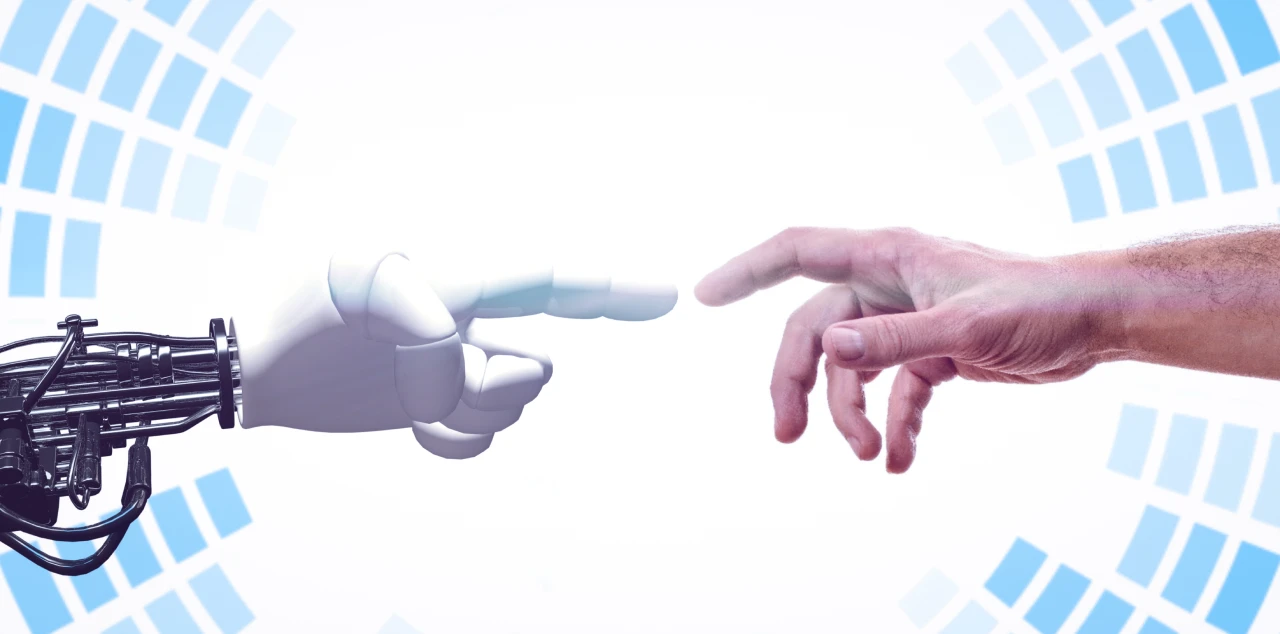
What UX Design Trends Really Signal
UX design reflects three forces coming together, shaping how people experience and understand modern digital products online.
-
Algorithmic evolution
-
AI integration across digital ecosystems
-
Behavioural shifts in user expectations
Core Web Vitals are now basic standards that every serious website must meet. Search intent is becoming more advanced, and users know exactly what they want before they click. AI tools are shaping smarter user journeys, while people have less patience for slow or confusing pages. Users expect instant load times, predictive navigation, helpful content, and clear trust signals. UX Design is a strategic shift that helps businesses align their digital systems with these rising expectations. It goes far beyond surface visuals and focuses on meaningful structure.
The Hidden Cost of a Stagnant Website
Stagnation has a measurable impact. A website that is not improving slowly loses visibility, trust, and revenue. Search rankings decline as competitors update their content and structure. Users leave when pages feel outdated or slow. Conversion rates drop even if traffic appears stable. Over time, small losses compound into serious performance gaps. A stagnant website does not fail loudly. It weakens quietly, reducing growth potential and limiting long-term authority in competitive markets.
Conversion Friction
HubSpot research consistently shows that when a website is difficult to use, conversion rates drop quickly. You can explore this further in HubSpot’s published marketing studies. Our detailed Conversion Rate Optimisation guide explains how small usability problems can quietly reduce sales over time. Even a slightly confusing checkout page can stop customers from completing a purchase. In 2026, UX design focuses on removing friction to protect revenue. For expert support, visit the Digital Junkieee services page or view our portfolio to see practical results.
Declining Organic Rankings
Trust Erosion
People trust websites that feel fast, clear, and easy to use. When a layout looks messy or old, it can make a business seem careless. Good ux design, strong speed, and clear structure build confidence. Learn more on our Services page, and explore trusted guidance from Moz.
Mobile and Behavioural Shifts
Mobile use is now the main way people browse the internet. Google explains mobile-first indexing clearly on its Search Central pages. People expect simple taps, easy scrolling, and pages built for thumbs. In 2026, ux design must keep improving. If your site feels outdated, explore our services or contact Digital Junkieee today.
UX vs Visual Redesign – The Strategic Difference
A visual redesign changes how your website looks. A UX improvement changes how your website works. Think of it like this. Painting a shop makes it look fresh. Changing the layout helps customers move easily and buy more. Modern ux design focuses on user journeys, clear steps, and smooth actions. Colours alone will not grow revenue. A strong conversion structure will. See how we build this at Digital Junkieee Services and explore trusted guidance from Google Search Central. Ready to improve every click? Contact Digital Junkieee today.
The Website Performance Decay Model
To understand why UX design structure matters, consider the Website Performance Decay Model. Every website slowly weakens across five connected layers when it is not reviewed and improved on a regular basis. This decline does not happen in one day. It builds up over time and affects traffic, trust, and sales.
1. Technical Stability
Technical stability is the base of your website. When scripts break, plugins become old, or servers respond slowly, pages take longer to load. Search engines struggle to read your site properly. Visitors lose patience and may leave before the page fully opens. Regular technical audits protect performance and user confidence. You can explore our support options on the Digital Junkieee Services page.
2. Search Relevance
Search relevance declines when content is not refreshed. Information becomes old. Competitors publish clearer and more detailed guides. Search engines such as Google prioritise useful and updated pages. As rankings fall, traffic reduces. Trusted resources like Google Search Central and Moz explain how content quality affects visibility.
3. Behavioural Alignment
User behaviour changes over time. What felt simple three years ago may now feel confusing. Navigation may require too many clicks. Important information may be hard to find. Engagement drops when users cannot move through your website easily. A strong UX design review ensures your structure matches modern expectations.
4. Conversion Infrastructure
Conversion infrastructure supports actions such as form submissions, bookings, and purchases. Over time, forms can become too long or unclear. Calls to action may lose strength. When steps feel stressful or confusing, fewer people complete them. Conversion infrastructure guides visitors clearly so they know what to do next.
Design maturity, structured data, and visible trust signals also need attention. UX design checklists help protect every layer of performance.
If you want your website to grow instead of slowly decline, review your structure today. Visit the Digital Junkieee Portfolio to see real improvements in action, or contact Digital Junkieee to plan a performance audit that protects your future growth.
UX, SEO, and Conversion Alignment Framework
AI Integrations: Strategic, Not Gimmicky
AI integrations are now common in modern website strategy. Many businesses feel pressure to add AI features because others are doing it. However, AI should never be added just to look advanced. It should solve a clear problem and improve how people use your website.
Strong UX design includes AI in a careful and thoughtful way. Good examples include AI chat tools that qualify leads, smart content suggestions based on behaviour, simple automated booking systems, and personalisation blocks that show relevant offers. When used well, these tools make websites faster and easier to use.
Poor AI setup can slow pages, confuse visitors, and reduce trust. Research from Moz shows that user experience affects search performance. Neil Patel also explains that personalisation improves engagement and conversions.
At Digital Junkieee, we build AI with purpose. Explore our Services, view our Portfolio, or Contact us to design smarter digital growth.
How frequently should you update your website? (What Actually Makes Sense)
Your website should be reviewed every month. Not redesigned. Reviewed with care and intention. When you review your website each month, you are checking its health. You look at your analytics and see which pages bring enquiries and which ones people leave quickly. You test your main call to action to see if people are clicking. You check for broken links. You review mobile usability because most visitors use their phones. You monitor Core Web Vitals to make sure your site loads fast and feels smooth. Google explains the importance of performance and relevance clearly on Google Search Central. If no one checks these things monthly, improvement stops quietly. When improvement stops, performance slowly drops.
Quarterly: Content Refresh Strategy
Content does not stay strong forever. Statistics become old. Search behaviour changes. Competitors publish better guides. Links stop working. Calls to action lose power. Every three to four months, review your most important pages. You do not need to rewrite everything. Strengthen what already works. Update data. Add clearer explanations. Expand thin sections. Improve internal links to important pages like your Services page and your Portfolio. Refresh your conversion messages so they feel timely and helpful. Small updates done often protect your rankings and build trust over time.
Every 18–24 Months: Structural Refresh
Many businesses skip this stage. Your company grows, but your website stays the same. You refine your offers. You adjust pricing. You improve your expertise. If your website still reflects an older version of your business, visitors feel the gap. A structural refresh improves navigation, strengthens internal linking, refines conversion paths, improves mobile layout, and upgrades performance. If you are unsure what needs attention, explore our modern website strategy services to see how structured improvements support growth.
Every 3–5 Years: Full Redesign
If your website has not been rebuilt in five years, it may no longer support your goals. Modern user experience standards focus on speed, clarity, and personalisation. Search Engine Journal regularly shares why ongoing optimisation matters more than rare redesigns. A redesign is not about beauty. It is about rebuilding your digital foundation.
If you are unsure where your website stands, visit our Contact page and request a clear evaluation. Consistent improvement builds lasting growth.
Revenue-Driven UX Design Principles
Case-Style Website Evolution Example
A B2B technology firm had steady traffic but weak results. Organic visits were flat. The conversion rate was 1.8 per cent. Bounce rate was high. The team followed a clear UX Design plan. They improved site speed and Core Web Vitals using guidance from Google Search Central. They rewrote content around real search intent. They simplified lead forms and added an AI chat for faster qualification. After six months, traffic grew 28 per cent. Conversions rose to 3.2 per cent. Lead quality improved. See how this works on our Services page, or Contact Digital Junkieee today.
Step-by-Step Website Update Process
A strong website does not improve by chance. It improves through a clear and steady process that is reviewed often.
-
Technical audit
Check your website speed, mobile view, security, and broken links. Tools such as Google Search Console and Screaming Frog can help you spot errors early. -
UX friction mapping
Look at how people move through your site. Remove anything that feels confusing or slow. Good UX design makes every click feel easy. -
SEO gap analysis
Find keywords you are missing and improve weak pages using trusted guidance from Moz. -
Content refinement
Rewrite unclear sections using simple and helpful language. -
Conversion flow testing
Test forms, buttons, and calls to action to make sure they work properly. -
Performance monitoring
Track traffic, leads, and user behaviour every month.
Digital growth needs steady improvement, not random redesign. If you want expert support, explore our services, review our portfolio, or contact Digital Junkieee today and let us help you build a website that grows with your business.
FAQ Section
What are the UX Design Trends 2026?
UX Design Trends 2026 show how websites are changing to meet new user habits and smarter technology. These changes are not about colours or style. They focus on how a website works and how it helps a business grow. Search engines now reward websites that are fast, clear, and helpful. Artificial intelligence is used to personalise content. Google’s Core Web Vitals set clear rules for speed and stability. Most people browse on mobile phones, and they expect pages to load quickly. Attention spans are shorter, so websites must be simple and easy to use. In 2026, UX is about real results. It is about guiding people smoothly from the first click to the final action.
Can UX updates improve SEO rankings?
Yes, when done correctly. Google explains on its Search Central platform that user experience matters. Faster pages, better mobile design, and clear content improve engagement. When visitors stay longer and explore more pages, search engines see this as a good signal. UX and SEO now work together to drive growth.
Why is website speed important in 2026?
Speed builds trust. Slow websites lose visitors quickly. According to Google, faster sites keep users engaged and improve visibility.
Where can I improve my website experience?
Start with a professional audit. Visit the Digital Junkieee Services page to explore solutions, review recent work on the Portfolio page, or reach out through the Contact page to plan your next upgrade.


0 Comments