
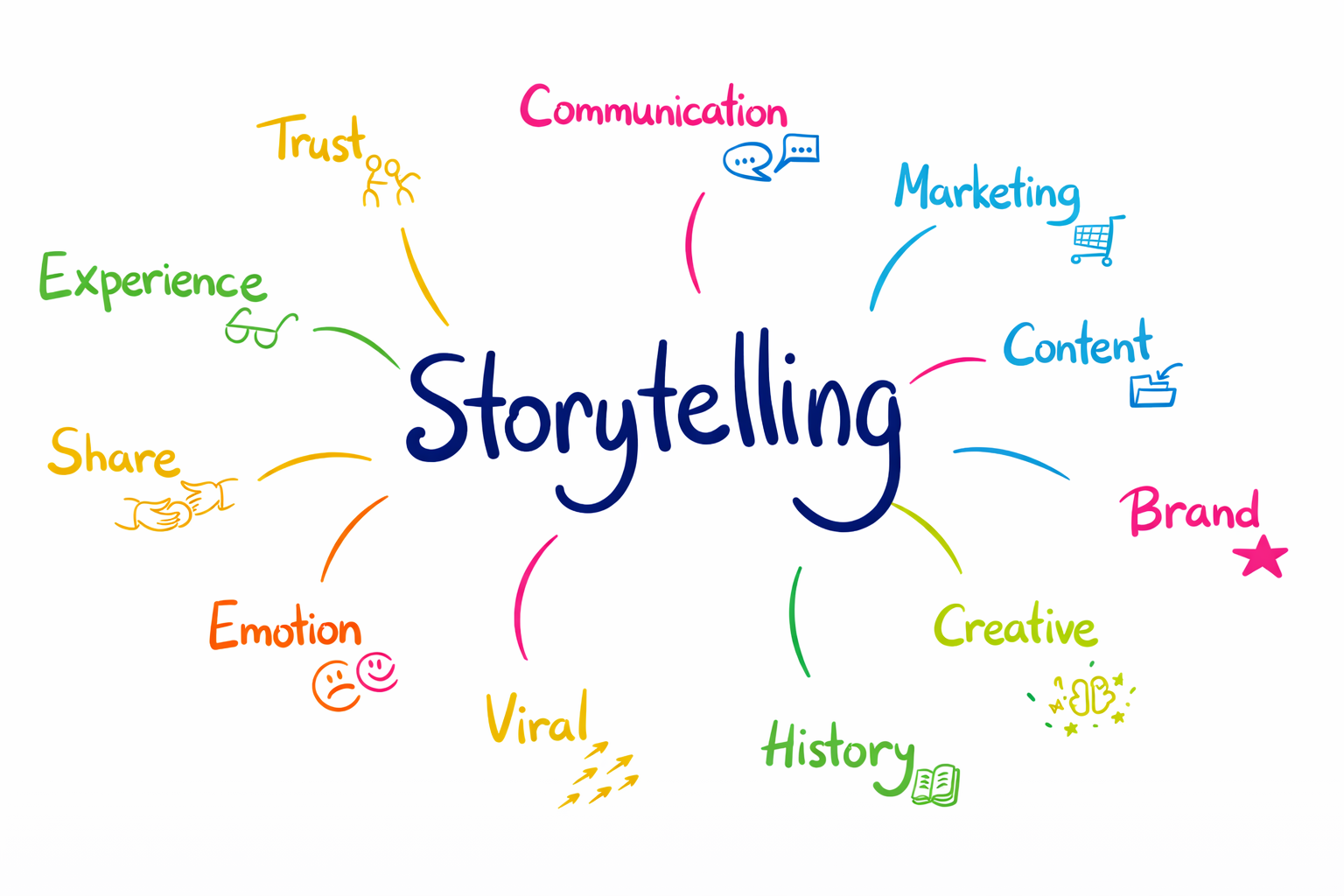
In today’s crowded digital space, simply marketing a product is no longer enough. Businesses update their websites, create content, and launch advertising campaigns, yet their message still blends into the noise. What separates memorable brands from forgettable ones is not just marketing effort but the power of brand storytelling.
Brand Storytelling is the process of crafting a clear narrative that explains who a business is, what it stands for, and why customers should care. Instead of presenting products as isolated features, Brand Storytelling connects those products to a meaningful story that people can understand and remember.
In today’s digital economy, people rarely choose a company based on price alone. They choose brands that feel authentic, trustworthy, and relatable. Effective brand Storytelling helps businesses communicate those qualities in a way that builds trust and loyalty.
This article explores 7 brand storytelling frameworks that businesses can use to build a powerful brand story. These frameworks provide structured approaches that transform scattered marketing messages into a consistent narrative that attracts the right audience.
By the end of this guide, you will understand:
- What brand Storytelling really means
- Why does it influence customer perception and trust
- Seven practical frameworks used by modern brands
- How businesses can apply Brand Storytelling across their marketing
If your business wants to create a stronger identity and communicate with greater clarity, understanding Brand Storytelling is an important step.
What is Brand Storytelling?
Brand Storytelling is the strategic process of using narrative to communicate a company’s purpose, values, and value proposition clearly and memorably.
Instead of focusing only on products or services, Brand Storytelling explains:
- Why the business exists
- What problem it solves for customers
- How it creates value in people’s lives
- What the brand stands for
Strong brand Storytelling transforms a company from a supplier into a trusted brand. Research from platforms like Google and HubSpot consistently shows that customers respond better to brands that communicate purpose and meaning rather than simply listing features.
When businesses implement brand Storytelling effectively, their marketing becomes more engaging, their messaging becomes clearer, and their brand becomes easier to remember.
Why Brand Storytelling Matters in Modern Marketing
The digital environment has changed how people evaluate businesses. Customers now encounter dozens of competing brands before making a decision. Without a strong narrative, companies easily become interchangeable.
Effective brand Storytelling helps businesses stand out in several ways.
Builds Emotional Connection
People remember stories more easily than facts. When businesses use brand Storytelling, they communicate their message in a format that audiences naturally understand.
Improves Brand Clarity
A clear story forces businesses to define their purpose and positioning. This clarity improves website messaging, marketing campaigns, and customer communication.
Strengthens Trust
Customers are more likely to trust brands that communicate openly about their mission and values. Strategic brand Storytelling allows companies to demonstrate transparency and authenticity.
Supports Content Marketing
Search engines reward content that delivers value and engagement. Platforms such as Ahrefs and Moz highlight the importance of helpful, well-structured content when building organic visibility. Strong brand Storytelling naturally supports this goal.
Businesses seeking to refine their brand positioning often review professional work examples to understand how strong narratives are implemented. The Digital Junkieee portfolio page is one place where companies can explore examples of structured digital branding strategies.
With this foundation in mind, we can now explore the frameworks that help businesses develop powerful brand narratives.
7 Brand Storytelling Strategy Frameworks
1. The Hero’s Journey Framework
The Hero’s Journey is one of the most widely used storytelling models in literature and film. It has also become a powerful framework for brand Storytelling in marketing.
In this structure, the customer becomes the hero of the story rather than the company.
The brand acts as the guide that helps the customer overcome a challenge.
Typical stages include:
- The customer faces a problem
- The brand offers guidance
- The customer takes action
- The problem is solved
This approach works well because it focuses on customer transformation. Businesses using this form of Storytelling position their product as the tool that helps the hero succeed.
Many modern marketing guides, including those published by Neil Patel, emphasise the importance of customer-centred narratives when building brand authority.
2. The Origin Story Framework
The origin story framework focuses on how the business began. This form of brand Storytelling highlights the motivations, struggles, and insights that led to the brand’s creation.
An effective origin story usually includes:
- The problem that inspired the company
- The founder’s experience or insight
- The turning point that led to action
- The mission that continues to guide the business
When used carefully, origin-based brand Storytelling helps audiences understand the deeper purpose behind the brand.
For example, many successful technology startups share the challenges they faced before building their product. This transparency helps customers connect with the brand on a human level.
3. The Customer Transformation Framework
In this framework, brand Storytelling focuses on the before and after journey of the customer.
The structure highlights the transformation created by the product or service.
Typical stages include:
- The customer’s initial problem
- The frustration or limitations they experience
- The discovery of the solution
- The improved outcome after using the solution
This style of brand Storytelling works well for service businesses, consulting companies, and digital agencies because it clearly demonstrates the value delivered to clients.
Businesses offering branding or digital strategy services often use case studies as examples of customer transformation. These examples can sometimes be found within professional service pages, such as the Digital Junkieee services section, where companies explain how they support business growth through structured strategy.
4. The Purpose Driven Brand Framework
Purpose-driven brand Storytelling focuses on the deeper mission behind the company.
Instead of focusing only on commercial outcomes, the narrative highlights a broader goal that motivates the organisation.
Examples of brand purpose may include:
- Improving customer well-being
- Supporting community development
- Promoting sustainable practices
- Making technology more accessible
Purpose-based brand Storytelling resonates strongly with modern audiences because customers increasingly want to support businesses that align with their values.
Research discussed by HubSpot frequently highlights how mission-driven brands communicate clear values and purpose, which helps them connect with audiences and build stronger long term loyalty.
5. The Problem Solution Framework
The problem solution framework is one of the most practical forms of brand Storytelling for digital marketing.
The narrative focuses on a clear challenge that customers face and explains how the brand provides the solution.
The structure typically follows these steps:
- Identify the core problem
- Explain why the problem matters
- Introduce the solution
- Demonstrate the benefits
Many SEO and marketing guides from sources like Moz and ShoutMeLoud recommend this approach because it aligns closely with search intent.
Moz explains that search intent is the purpose behind a user’s search query, and that SEO content should match that intent to rank well.
ShoutMeLoud’s SEO guide explains how optimising content for the right keywords and user needs helps search engines understand and rank your content correctly.
When businesses use this framework, their brand Storytelling becomes highly relevant to the questions people search online.
6. The Vision of the Future Framework
This approach to brand Storytelling focuses on where the industry or society is heading and how the brand contributes to that future.
The narrative highlights:
- The current challenges in the market
- The future the brand wants to create
- The innovations or ideas that support that vision
This framework works particularly well for technology companies and digital platforms.
Search marketing specialists often discuss the importance of forward-looking messaging when positioning innovative businesses. Harvard Business Review discusses how storytelling influences perception, engagement, and trust, which is why it is widely used in branding and marketing.
7. The Community Driven Story Framework
Community-based brand Storytelling focuses on the people connected to the brand.
Instead of positioning the company as the centre of the narrative, the story highlights customers, partners, and supporters.
Examples include:
- Customer success stories
- Community initiatives
- User-generated experiences
- Brand ambassadors
This form of brand storytelling builds credibility because it demonstrates real experiences rather than promotional claims.
Businesses that emphasise community engagement often strengthen long-term trust and brand loyalty.
How Businesses Can Implement Brand Storytelling
Understanding frameworks is useful, but the real value comes from applying brand storytelling across business communication.
A practical process may include the following steps.
Define the Brand Mission
Every strong story begins with a clear purpose. Before developing any brand storytelling strategy, a business must understand why it exists beyond simply making sales. The brand mission explains the deeper value the company brings to customers and the problem it is committed to solving.
A well-defined mission provides direction for every marketing decision. It influences messaging, visual identity, customer communication, and long-term strategy. Without this foundation, brand storytelling can easily become inconsistent or vague.
To define a strong brand mission, businesses should answer a few key questions:
- What problem are we trying to solve for customers?
- Why did the company start in the first place?
- What long-term impact do we want our work to have?
- How does our product or service improve people’s lives?
When these answers are clear, the mission becomes the centre of the brand narrative. It guides the tone of marketing messages and helps customers understand what the company stands for.
Strong brand storytelling always begins with this clarity. When people know what a brand believes in, they are more likely to trust it.
Understand the Target Audience
Effective brand storytelling always focuses on the audience rather than the company itself. Many businesses make the mistake of talking only about their achievements, products, or internal goals. While those details may be important internally, customers care more about how the brand helps them.
Understanding the target audience means learning about their needs, frustrations, and aspirations. When businesses truly understand their customers, they can create stories that feel relevant and meaningful.
This process usually involves identifying:
- The problems customers face in their daily work or life
- The goals they want to achieve
- The challenges that prevent them from reaching those goals
- The solutions they are currently searching for
Google explains how Analytics helps businesses understand user behaviour, engagement, traffic sources, and customer journeys across websites and apps.
Once businesses understand their audience clearly, brand storytelling becomes much more powerful. The narrative stops being about the company and begins to focus on how the brand helps customers move from a difficult situation toward a better outcome.
Build a Consistent Narrative
Consistency is one of the most important elements of successful brand storytelling. If a company communicates different messages across its website, social media pages, and marketing campaigns, customers become confused about what the brand actually represents.
A strong narrative should remain consistent everywhere the brand appears. This includes:
- The company website
- Blog content and educational articles
- Social media posts
- Advertising campaigns
- Email newsletters
- Customer support communication
Consistency does not mean repeating the same words everywhere. Instead, it means maintaining the same underlying message, values, and tone across all platforms.
For example, if a brand positions itself as a helpful expert in its industry, its content should consistently educate and guide the audience. Articles, videos, and social posts should all reflect this identity.
When brand storytelling is consistent, the audience begins to recognise the brand more easily. Over time, this recognition builds familiarity and trust, which are both essential for long-term growth.
Align Content With the Narrative
Content marketing plays a central role in modern brand storytelling. Blog posts, guides, videos, and social content provide opportunities to reinforce the brand narrative while educating the audience.
However, many businesses publish content that does not clearly connect with their story or positioning. This creates confusion and weakens the overall brand identity.
To avoid this problem, every piece of content should support the larger narrative. Businesses can ask a simple question before publishing new content:
Does this article strengthen our brand story?
For example, a digital strategy company may focus its brand storytelling on helping businesses grow through smarter digital systems. In that case, its content should include topics such as:
- Digital transformation strategies
- Website performance improvements
- Brand positioning insights
- Customer experience optimisation
When content aligns with the brand narrative, it strengthens both SEO and brand identity. Search engines such as Google prioritise helpful content that clearly addresses user needs, while audiences begin to see the brand as a reliable source of expertise.
Measure Performance
Even the most carefully planned brand storytelling strategy should be evaluated regularly. Measuring performance helps businesses understand whether their story is connecting with the audience and driving meaningful results.
Several metrics can help evaluate storytelling effectiveness. These include:
- Website engagement metrics such as time on page and bounce rate
- Organic search visibility for relevant topics
- Content sharing across social media platforms
- Conversion rates from educational content to inquiries or sales
- Audience growth and repeat visitors
SEO tools like Ahrefs, Moz, and Screaming Frog are often used to analyse search performance and website structure. These tools help businesses understand how storytelling content contributes to search visibility.
Measuring performance allows companies to refine their brand storytelling over time. They can identify which narratives resonate most with their audience and adjust their content strategy accordingly.
Strong storytelling is not created in a single campaign. It evolves gradually as businesses learn more about their audience and refine their message through consistent communication.
Businesses that want expert guidance often consult professional branding agencies. Organisations interested in strengthening their digital presence can reach out through the Digital Junkieee contact page to discuss strategic branding and storytelling initiatives.
Common Mistakes in Brand Storytelling
While brand storytelling can transform a brand’s communication, many businesses struggle because of common mistakes.
Focusing Only on the Product
Customers care more about outcomes than features. Effective storytelling in branding focuses on customer value rather than technical details.
Inconsistent Messaging
If website messaging, advertising campaigns, and social media communicate different ideas, the story becomes unclear.
Overcomplicating the Narrative
Some businesses try to include too many ideas within their story. Clear brand storytelling should be simple and easy to understand.
Ignoring Customer Perspective
The most effective brand storytelling places the customer at the centre of the narrative.
FAQ
What is Brand Storytelling in marketing?
Brand Storytelling is the strategic use of narrative to communicate a brand’s mission, values, and value proposition. Instead of focusing only on products, Brand Storytelling explains why a business exists and how it improves the lives of its customers.
Why is Brand Storytelling important for businesses?
Brand Storytelling helps businesses build trust, differentiate themselves from competitors, and create stronger emotional connections with customers. A clear narrative also improves marketing clarity and engagement.
How do businesses create effective Brand Storytelling?
Businesses can develop strong Brand Storytelling by defining their mission, understanding their audience, choosing a storytelling framework, and applying the narrative consistently across their marketing channels.
Can Brand Storytelling improve SEO performance?
Yes. High-quality storytelling content often improves engagement, which can positively influence search visibility. Platforms such as Google and Moz emphasise the importance of helpful content that aligns with user intent.
What industries benefit from Brand Storytelling?
Almost every industry can benefit from Brand Storytelling. Technology companies, service providers, e-commerce brands, and consulting firms all use storytelling to explain their value and differentiate themselves in competitive markets.
Final Conclusion
In a crowded digital marketplace, simply offering a good product is rarely enough. Businesses must also communicate a clear identity and purpose that customers can understand and trust. This is where brand storytelling becomes essential.
The seven frameworks explored in this article provide structured approaches that help businesses shape meaningful narratives. Whether using the Hero’s Journey, a customer transformation story, or a purpose-driven narrative, the goal remains the same. Effective brand storytelling connects the brand’s mission with the customer’s needs.
When applied consistently across websites, content marketing, and communication channels, Brand Storytelling strengthens brand recognition, improves customer trust, and supports long term growth.
Companies that want to build a stronger digital presence often combine storytelling with strategic design, SEO, and content development. Businesses interested in developing a structured brand narrative can explore professional support through the Digital Junkieee services page or reach out directly via the Digital Junkieee contact page to begin shaping a brand story that truly reflects their vision.
0 Comments